
APPRECIATING A BRONZE SCULPTURE
You don’t need to know about art
“I don’t know anything about art.” This is something people often say when looking at a sculpture. Yet no particular knowledge is needed to know whether a work appeals to us.
Rather than trying to understand what the artist intended to express, we can simply look. An attitude, a line or a detail may immediately catch our attention. Another work may leave us indifferent. These personal reactions are already a way of appreciating art.
Take the time to look
A sculpture does not necessarily reveal itself at first glance. Our perception changes as we move around it. A profile we had not noticed appears, an attitude becomes clearer, and certain details take on greater importance.
Distance also matters. Seen from afar, a sculpture first gives an overall impression; as we move closer, the modelling and details become more apparent. Taking a few moments simply allows us to see what truly catches our attention.
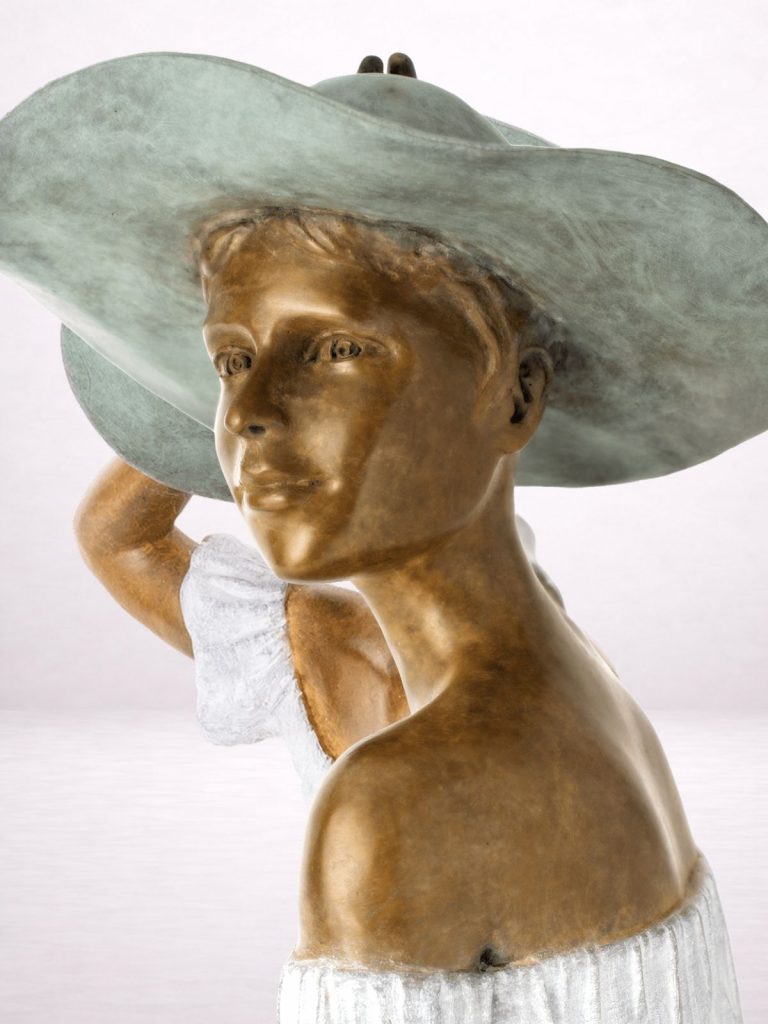
The setting can change our perception
The same sculpture can create a different impression depending on where it is displayed. In an exhibition, it is seen alongside other works. In a home, it becomes part of a more familiar environment and can be observed every day.
The height at which it is placed, the viewing distance and the lighting also affect how we perceive it. This is one of the distinctive qualities of sculpture: it occupies real space and can be viewed from several angles.
Understanding can come later
Once our interest has been sparked, learning about the artist’s approach can offer another perspective. Understanding why certain attitudes are favoured, discovering the artist’s background or what guides the work can reveal aspects we may not have noticed at first.
But this knowledge remains complementary. It should not dictate what we feel or determine what we should like.
Trusting your own preferences
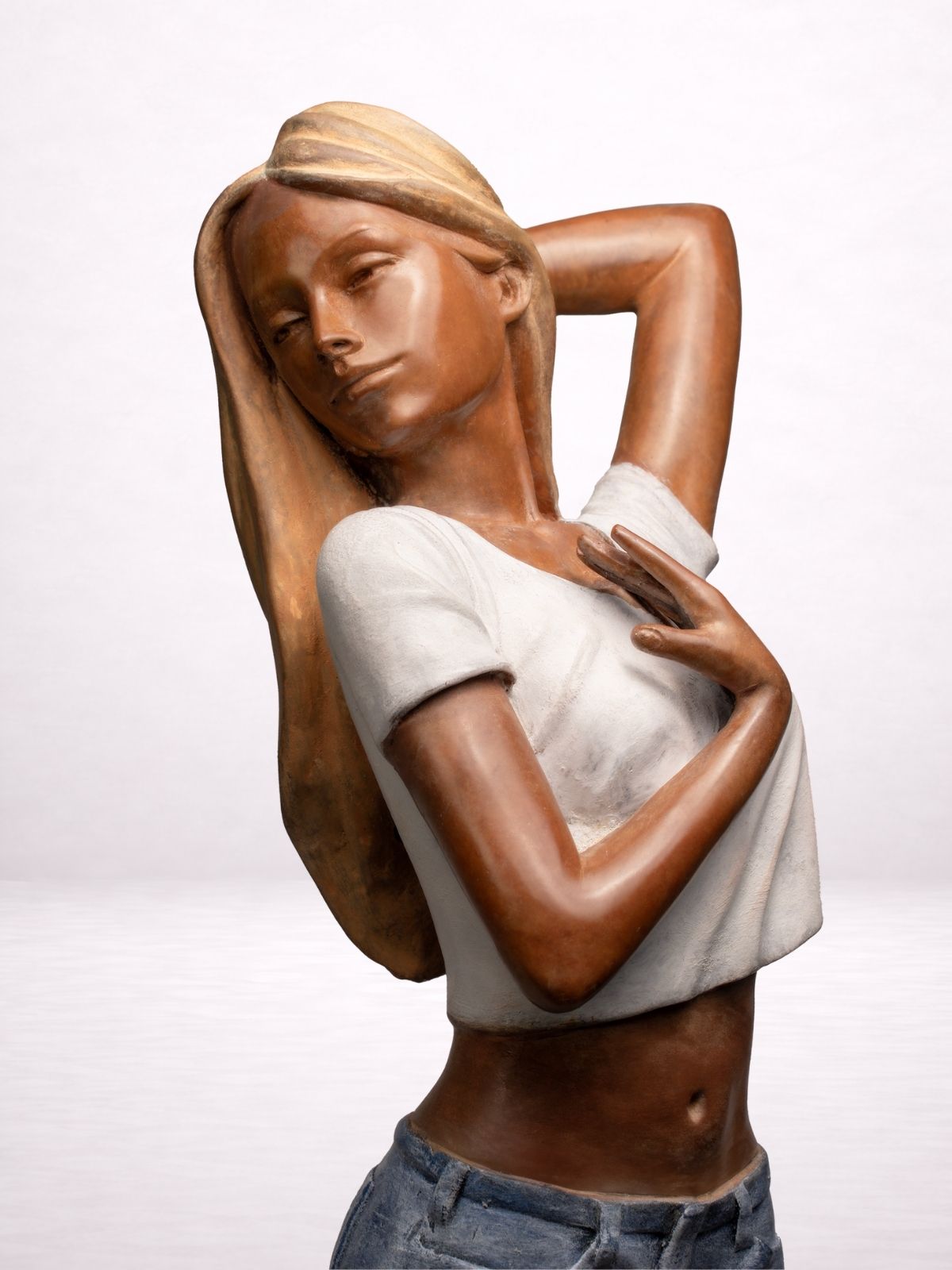
Ultimately, there is no “right” way to appreciate a sculpture. Some people respond to an attitude, others to the overall expression, the proportions or the way the work fits into a particular setting.
Alain Choisnet’s work is devoted to femininity, with generally calm attitudes expressing gentleness and elegance. Some sculptures immediately appeal to one viewer, while others resonate less. This freedom of preference is an essential part of our relationship with art.
Appreciating a sculpture therefore begins with something very simple: taking the time to look at it and deciding whether you want to keep looking.